Understanding the Braking System to Better Ensure Your Safety in 2026
30/04/2026
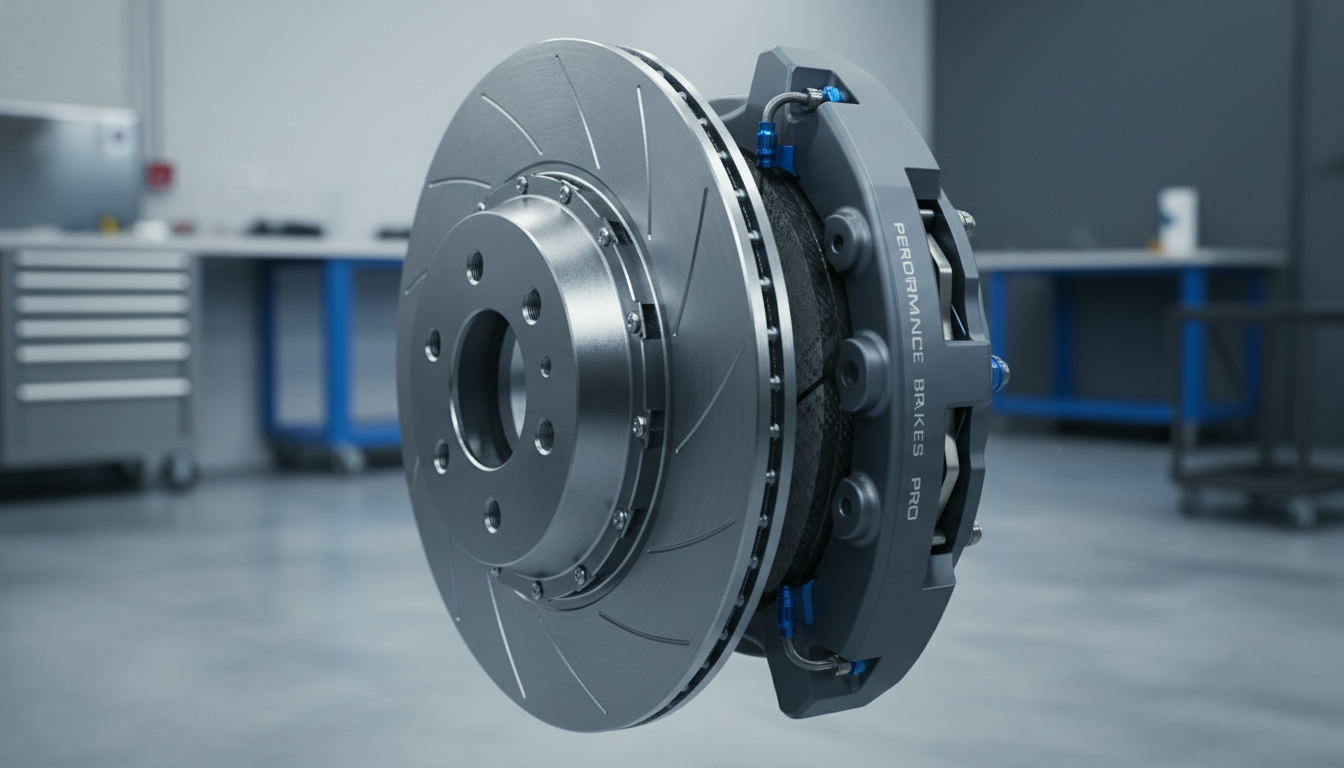
In brief, what you will discover in this article: the detailed operation of a vehicle's braking system, its key components, types of brakes, as well as maintenance and safety tips to avoid failures and ensure a smooth driving experience.
1. Introduction to the braking system
1.1 Why the braking system is essential
The braking system is vital for the safety of any vehicle. It allows you to slow down or stop the car with confidence, thus preventing accidents. Without effective braking, controlling the vehicle becomes impossible, especially in emergency situations.
1.2 Overview of main functions
The braking system converts the vehicle's kinetic energy into thermal energy through friction. This transformation relies on several components working together to ensure powerful and progressive braking.
2. Main components of the braking system
2.1 Brake pads and discs (role and wear)
Brake pads press against the brake disc to create the friction needed to slow down. These parts wear over time and must be inspected regularly. Excessive wear can cause brake noise or reduced effectiveness.
2.2 Calipers, master cylinder, and hoses
The caliper holds the pads in place and pushes them against the disc via hydraulic pressure transmitted by the brake master cylinder. The hoses ensure the circulation of brake fluid between these components. Their good condition is crucial to prevent any brake fluid leaks.
2.3 Brake fluid: types and importance
Brake fluid transmits the pressure applied on the brake pedal to the calipers. It must be regularly bled to remove any air, which would make the pedal feel spongy and reduce braking efficiency. The choice of fluid (DOT 3, DOT 4, etc.) depends on the vehicle’s specifications.
3. Types of braking systems
3.1 Disc brakes vs drum brakes
Disc brakes are the most common on modern vehicles, offering better cooling and performance. Drum brakes, older technology, are often used on the rear wheels due to their lower cost. Each has advantages and limitations in terms of wear and maintenance.
3.2 ABS, ESP, and other electronic aids
The ABS (anti-lock braking system) prevents wheel lock-up during sudden braking, improving stability. ESP complements this by helping control the vehicle’s trajectory. These technologies enhance safety under difficult conditions.
3.3 Regenerative braking and brake-by-wire (new technologies)
Hybrid and electric vehicles use regenerative braking to recover energy during braking. Brake-by-wire replaces mechanical linkages with electronic controls, offering faster responsiveness and integration with driver assistance systems.
4. Maintenance, inspection, and diagnostics
4.1 Visual inspection checklist (pads, discs, leaks)
To ensure optimal braking, regularly check:
- The thickness of brake pads
- The condition of brake discs (no cracks or warping)
- Any brake fluid leaks near hoses and the master cylinder
- The level and color of brake fluid
4.2 Warning signs: noises, vibrations, soft pedal
Certain symptoms should trigger immediate attention:
- Unusual brake noises (squealing or grinding)
- Vibrations in the pedal or steering wheel during braking
- A soft or easily pressed brake pedal
These signs often indicate advanced wear or hydraulic issues.
4.3 When and how to bleed the brake fluid (safe procedure)
Brake fluid should be bled roughly every 2 years or as soon as the pedal feels soft. The procedure involves removing air from the circuit using a manual pump or a specific tool, following the manufacturer’s instructions.
5. Repairs and replacement
5.1 Replacing pads vs discs: when and how
Brake pads wear out faster than discs. It is recommended to replace pads once they reach the minimum thickness. Discs should be replaced if they are too worn or warped. Replacing both simultaneously ensures consistent braking.
5.2 Cost estimates and part choices (OE vs aftermarket)
Costs vary depending on part quality: original equipment (OE) parts offer better reliability, while aftermarket parts can be more economical. Prioritizing quality is advised for safety.
5.3 Tips for workshops or DIY in complete safety
For DIY enthusiasts, it is crucial to:
- Use appropriate tools
- Work on a stable and secured vehicle
- Avoid mixing types of brake fluid
- Always bleed the circuit after any intervention
If in doubt, call a professional.
6. Safety, regulations, and technical inspection
6.1 Wear thresholds and legal requirements
The law sets wear limits for pads and discs, checked during vehicle inspections. Failing to meet these limits can result in a failed inspection and compromise safety.
6.2 Best practices to reduce risks
To extend the braking system’s lifespan and ensure safety:
- Avoid abrupt and repeated braking
- Have the braking system regularly inspected
- Replace worn parts without delay
7. Differentiating content to stand out
7.1 Practical braking distance tests and results
Tests show the condition of pads and discs greatly affects braking distance, a crucial factor to avoid accidents.
7.2 Brand comparisons and detailed buying guide
Comparing brands helps select parts suited to your vehicle and budget while guaranteeing safety.
7.3 Step-by-step guides with photos/videos and downloadable checklists
For deeper insight, see a complete guide with illustrations and videos at Gonfleur-Hélice.com, ideal for enthusiasts wanting detailed understanding.
7.4 Technical and legal FAQ + seasonal advice
Seasonal tips, especially regarding pre-winter maintenance, are essential to prevent failures linked to cold and humidity.
8. Conclusion and useful resources
8.1 Summary of key points
The braking system is a crucial element of automotive safety, mainly consisting of pads, discs, calipers, master cylinder, and brake fluid. Regular maintenance prevents failures and ensures effective braking. Technologies like ABS enhance safety in critical situations.
8.2 Links to guides, videos, and recommended parts
To deepen your knowledge and find quality parts, explore specialized resources like SIPA Automobiles which explain the braking system in detail.
For those who wish to equip or maintain their flying vehicles, also check our advice on braking systems specific to helicopters and airplanes at Gonfleur-Hélice.com. You will find technical guides adapted for aeronautics enthusiasts.
Finally, for optimal braking, remember to regularly check the brake inspection and replace pads before they become too worn to avoid any brake noise or safety issues.

Julien Chevalier
Ingénieur en aéronautique passionné par les véhicules volants, je travaille depuis plus de dix ans dans le domaine de la conception et de la maintenance d'hélicoptères et d'avions civils. Mon parcours technique me permet d'apporter une expertise précise sur les mécanismes de vol, les matériaux et les procédures de pilotage. Sur Gonfleur-Hélice.com, je partage des analyses détaillées ainsi que des conseils pratiques à destination des passionnés et des professionnels, afin de rendre compréhensible le fonctionnement complexe des aéronefs. Mon objectif est d'accompagner les lecteurs dans leur curiosité et leur passion, en offrant des contenus sérieux, fiables et accessibles.