Fuel Tank: Tips and Repairs in 2026
30/04/2026
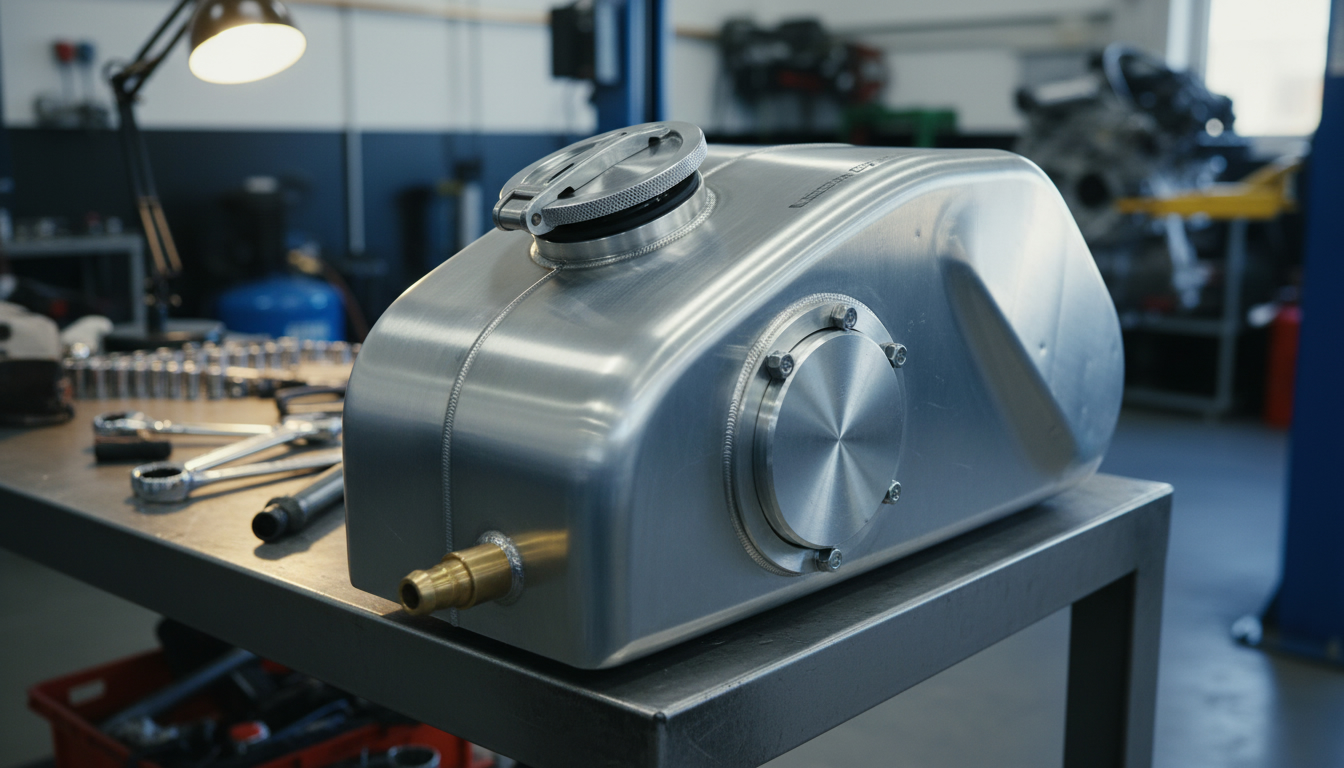
In brief, what you will learn in this article: the essential role of the fuel tank, its components, the different types according to materials and uses, as well as advice for maintenance, diagnosing common problems, repair, and replacement. You will also learn how to ensure safety and comply with the standards related to this vital component.
1. Introduction: Why the Fuel Tank is Crucial
The fuel tank is a fundamental element in any flying or land vehicle. It stores the fuel necessary for engine operation, thus ensuring autonomy and performance. A leak or contamination in this tank can quickly compromise safety and cause costly breakdowns. Understanding how it works and knowing how to maintain it is therefore essential to avoid inconveniences and ensure optimal use.
2. What is a Fuel Tank?
2.1 Definition and Role
The fuel tank is a sealed container designed to store fuel, whether gasoline, diesel, or other specific types for airplanes and helicopters. It provides the necessary reserve to supply the engine via the fuel delivery system while protecting the liquid from external contamination.
2.2 Main Components
A fuel tank includes several essential elements:
- The fuel cap: ensures tightness and safety by preventing leaks and air ingress.
- The gauge and level sensors: allow monitoring the remaining fuel quantity.
- The fuel pump: supplies the engine with pressurized fuel.
- The breather and vent: balance internal pressure to avoid deformations.
- Safety devices: valves, filters, and overpressure protections.
3. Different Types of Tanks
3.1 By Material: Steel, Plastic (HDPE), Composite
- The steel tank is robust, impact-resistant, and corrosion-resistant if properly treated. It is often used in heavy vehicles and some airplanes.
- The plastic (HDPE) tank is lightweight, corrosion-resistant, and easy to mold into complex shapes, making it popular in light automobiles and motorcycles.
- The composite tank combines lightness and chemical resistance, used in aeronautics to optimize weight without compromising safety.
3.2 By Use: Automotive, Motorcycle, Heavy Duty, Maritime
Each use imposes specific constraints:
- Automotive: compact tanks with anti-evaporation systems.
- Motorcycle: lightweight and often integrated into the bodywork.
- Heavy Duty: large capacity and enhanced robustness.
- Maritime: materials resistant to salt corrosion and vibrations.
3.3 Advantages and Disadvantages of Each Type
| Tank Type | Advantages | Disadvantages |
|---|---|---|
| Steel | Mechanical strength, durability | Heavy weight, possible corrosion |
| Plastic (HDPE) | Lightweight, corrosion-resistant | Less resistant to heavy impacts |
| Composite | Lightweight, high chemical resistance | Higher cost |
4. Operation and Associated Elements
4.1 Gauge and Level Sensors
The fuel gauge measures the available volume in the tank. Electronic sensors transmit this information to the dashboard, allowing accurate level control. A malfunction can lead to poor fuel range estimation.
4.2 Fuel Pump and Supply Network
The pump draws fuel from the tank and sends it to the engine via the supply system. It must maintain constant pressure to ensure efficient combustion. Problems in this system can cause power loss or starting difficulties.
4.3 Breather, Vent, Cap and Safety Devices
The breather and vent balance the internal tank pressure, preventing deformations or explosions caused by overpressure. The fuel cap often integrates a safety valve to limit vapor emissions and prevent leaks.
5. Common Problems and Diagnosis
5.1 Leaks: Causes and Initial Action
Leaks in the fuel tank may come from cracks, corrosion, or defects in the cap. In case of a leak, it is crucial to immediately cut off the fuel supply and isolate the source. Quick diagnosis prevents fire risks or engine damage.
5.2 Corrosion and Punctures
Corrosion is frequent in steel tanks exposed to moisture or contaminated fuels. It can cause punctures, leading to leaks. Regular checks and appropriate cleaning help limit this phenomenon.
5.3 Contamination and Water in Fuel
Water or impurities in the fuel can clog injectors and impair combustion. Contamination often comes from a poorly maintained tank or defective cap. Monitoring symptoms and acting quickly is advised.
5.4 Symptoms to Watch For (Power Loss, Odor, Warning Lights)
- Persistent gasoline smell around the vehicle.
- Loss of power or difficult starting.
- Warning lights on the dashboard.
- Presence of wet spots under the vehicle.
6. Maintenance and Cleaning
6.1 Frequency and Best Practices
Tank cleaning should be done regularly, ideally every 10,000 km for common vehicles, or according to specific aircraft recommendations. Frequent visual inspection helps detect corrosion or debris.
6.2 Cleaning/Debris Removal Methods and Recommended Products
Here is a simple recommended method for cleaning without full disassembly:
- Partially drain the tank.
- Add a quality cleaning additive, like those offered by Tecflow Performance.
- Drive for 20 to 30 minutes to loosen impurities.
- Replace the fuel filter.
For more thorough manual cleaning, fuel can be siphoned off, the tank opened, then a specific cleaner used to remove sludge and debris, following safety instructions (ventilation, battery disconnection).
7. Repair and Replacement
7.1 When to Repair vs Replace
Repair is feasible for minor leaks or localized defects. However, advanced corrosion, significant punctures, or very old tanks require complete replacement.
7.2 Estimated Cost and Buying Guide (OEM vs Aftermarket)
Replacement cost varies by tank type and vehicle. OEM parts ensure perfect compatibility but are often more expensive. Aftermarket tanks offer an economical alternative, provided their quality is verified.
7.3 Replacement / Installation Steps (Safety and Tools)
- Cut off fuel supply and disconnect the battery.
- Completely drain the tank.
- Remove mounts and disconnect hoses.
- Install the new tank following manufacturer instructions.
- Check tightness and proper system operation.
8. Safety, Standards, and Environment
8.1 Applicable Standards and Legal Obligations
Fuel tanks must comply with strict standards to ensure safety, limit pollutant emissions, and prevent fire risks. These standards vary by vehicle type and country.
8.2 Storage, Transport, and Waste Disposal
Fuel storage and transport require approved containers and precautions to avoid leaks. Disposal of used tanks must be done at specialized centers to minimize environmental impact.
9. Differentiating Ideas to Include
- Photo audit to detect corrosion or leaks before intervention.
- Detailed material comparison by aeronautical or automotive use.
- Specific use cases: tanks for helicopters vs light aircraft.
10. Conclusion
The fuel tank is a key component whose good understanding and regular maintenance ensure vehicle safety and performance. In case of doubt about leaks or contamination, quick diagnosis and appropriate intervention are essential. To deepen your knowledge or find suitable parts, consult our comprehensive guide at Gonfleur-Hélice.com.
For effective and safe cleaning, discover the recommended method by Tecflow Performance, ideal for hobbyists wishing to preserve their engine without complex disassembly.

Julien Chevalier
Ingénieur en aéronautique passionné par les véhicules volants, je travaille depuis plus de dix ans dans le domaine de la conception et de la maintenance d'hélicoptères et d'avions civils. Mon parcours technique me permet d'apporter une expertise précise sur les mécanismes de vol, les matériaux et les procédures de pilotage. Sur Gonfleur-Hélice.com, je partage des analyses détaillées ainsi que des conseils pratiques à destination des passionnés et des professionnels, afin de rendre compréhensible le fonctionnement complexe des aéronefs. Mon objectif est d'accompagner les lecteurs dans leur curiosité et leur passion, en offrant des contenus sérieux, fiables et accessibles.